
Stitchtale Learn
What's on your sewing table today?
Pick what has you stuck. Get one useful check now, then open the guide if you want the whole answer.
Browse every guide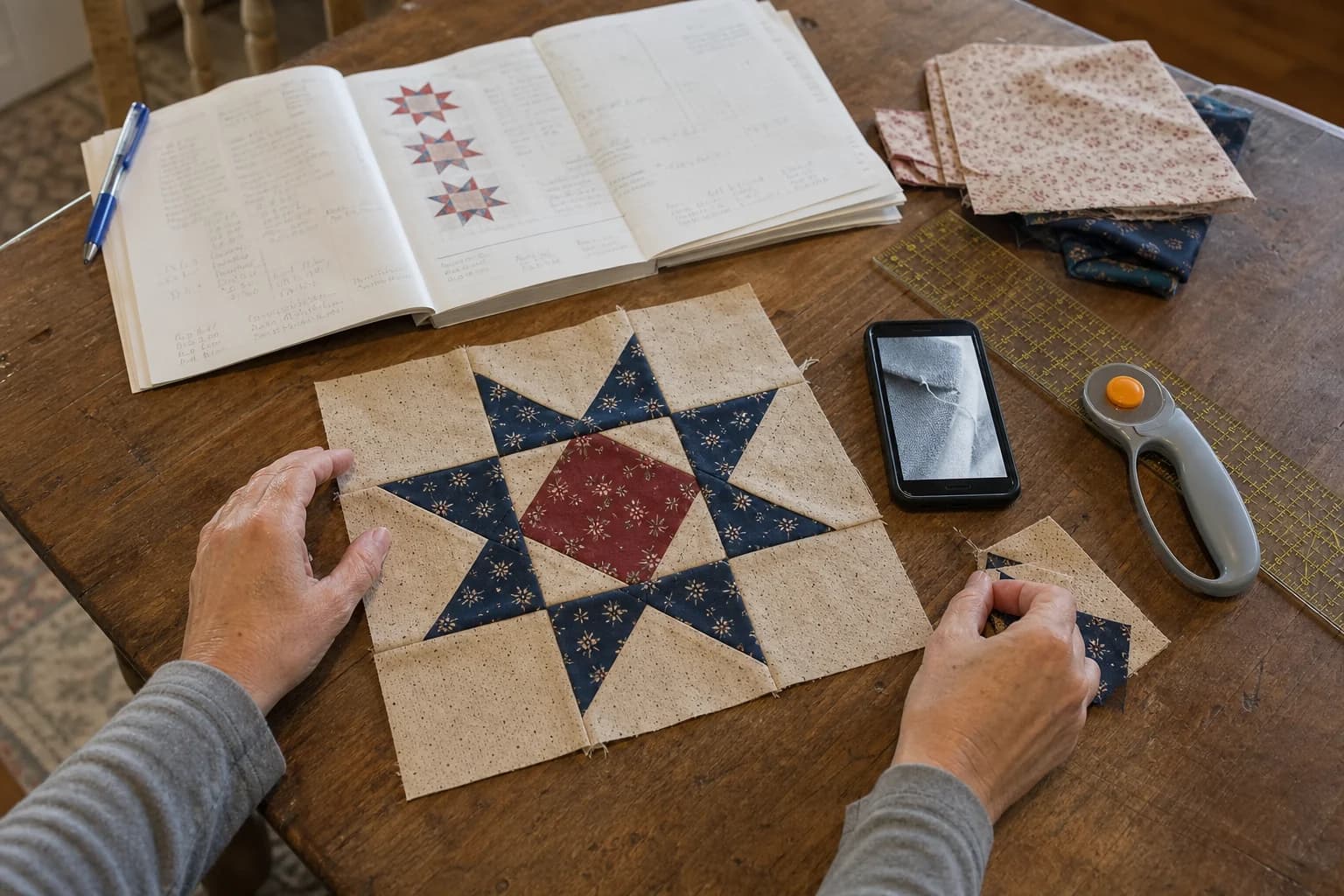
Try this now
Before you cut, find the finished size, fabric key, cutting list, seam allowance, and assembly order. A quilt photo cannot give you all five.
Open the guideQuilt math
Need a number before you shop?
Each calculator shows the measurement behind the answer, so you can check it against your own quilt.
Quilt backing calculator
Yardage, panels and which way the seams run.
Open the calculatorQuilt batting size calculator
The rectangle to cover, and the package that fits it.
Open the calculatorQuilt binding calculator
Strips to cut and fabric to buy for the edge.
Open the calculatorQuilt border calculator
Side and top strips, and the yardage, for one border.
Open the calculator
Find your next step
Start with what is in front of you.
You do not need to read everything. Open the chapter that matches today's decision, make the check, and get back to your quilt.
Start before cutting
Know what you have in front of you
A pattern, a template, and a lovely quilt photo can all be useful. They just answer different questions at the cutting table.
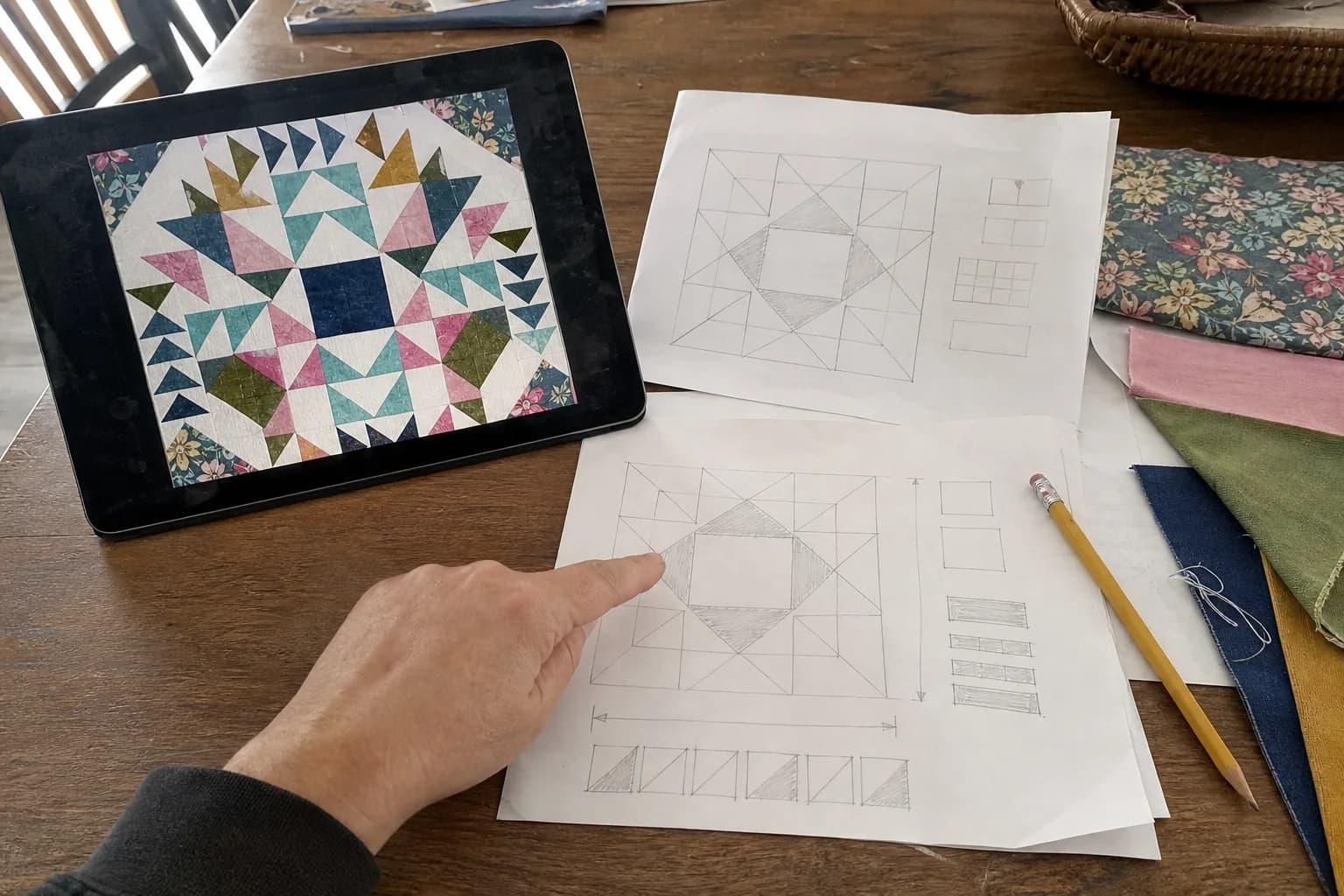 A good place to beginA quilt picture is not yet a quilt patternSee the difference between inspiration and the instructions needed to make it.Read the guide
 - When a quilt image is not a patternA quick way to tell what an image can show you, and what it cannot.
- Quilt pattern vs. quilt templateKnow whether you have a full making plan or one piece of it.
- How to read a quilt patternFind the size, fabric list, cutting instructions, and making order before you begin.
- How to check a quilt pattern before cuttingA calm pre-cut check for the details that are hardest to fix later.
- Five things a pattern should tell you before you cut fabricThe essentials to look for before your rotary cutter comes out.
- How to read quilt cutting instructionsTurn a busy cutting list into a clear first pass at the mat.
Quilt math and finishing
Plan the fabric around the quilt you are making
Backing, batting, borders, binding, and size are easier when you can see the measurement behind the answer.
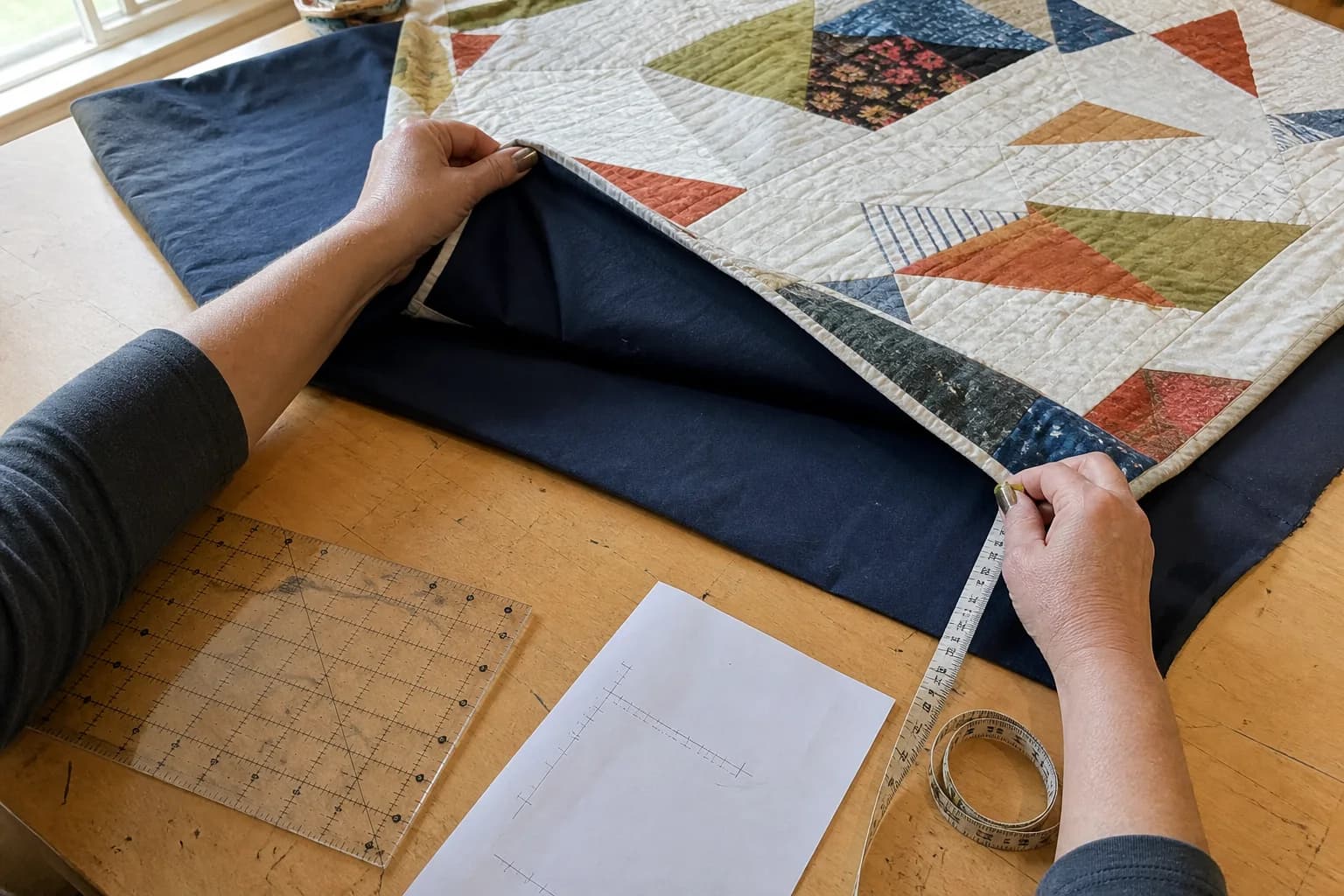 A good place to beginHow much backing do I need for a quilt?Plan backing size, usable width, and seams before you buy fabric.Read the guide
 - Which way should backing seams run?Choose a seam direction that works with your backing width and quilting plan.
- How much batting do I need?Leave the right amount of extra batting without guessing at the edge allowance.
- How to calculate quilt bordersMeasure first so the border supports a square quilt instead of pulling it out of shape.
- How to calculate quilt bindingWork out strip count and yardage with a method you can check.
- How to measure a quilt before bindingGet the finished perimeter before cutting your binding strips.
- Quilt size chart for bed sizesUse standard sizes as a starting point, then make the drop and pillows part of the decision.
- How to square up a quiltCheck the corners and edges before the final trim takes fabric away.
- How to check quilt fabric yardage before you buyA practical fabric-shop check for width, repeats, and a little breathing room.
Fabric choices and accuracy
Make the block read the way you pictured it
These are the small fabric and pressing decisions that keep a block clear, accurate, and pleasant to sew.
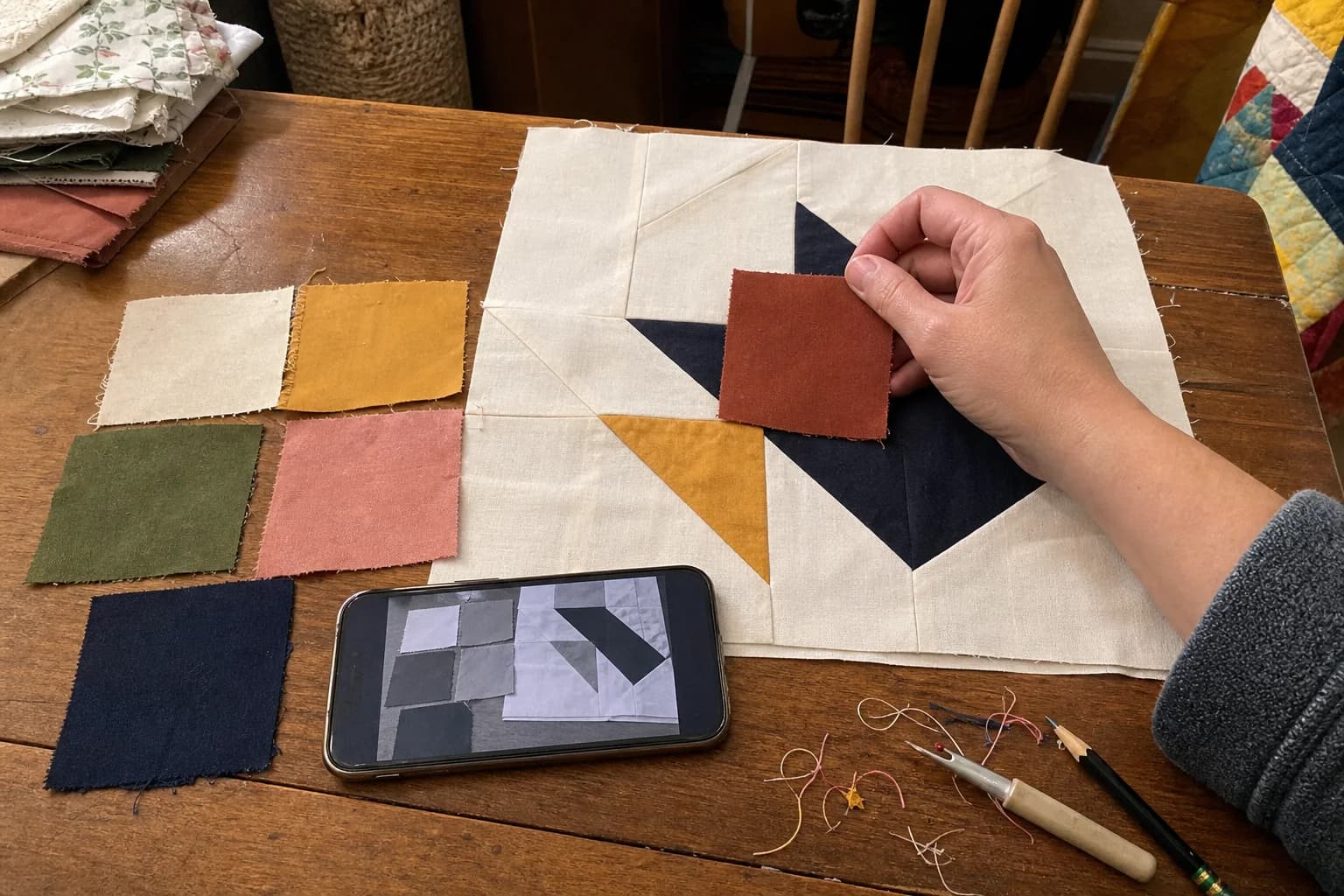 A good place to beginHow to choose fabric value for a quilt blockUse light and dark contrast to help the block you planned stay visible.Read the guide
 - Fabric value vs. color in quiltingWhy two pretty fabrics can blend together once they are in the same block.
- How to use grayscale to check quilt fabricsA quick value check before a fabric pull becomes a full cut.
- How to choose a quilt background fabricTest a background for contrast, temperature, and the job it needs to do.
- How to mix quilt fabric printsMix scale and movement without losing the block underneath.
- Using directional fabric in quilt patternsSpot the places where a directional print needs a plan before cutting.
- Should you prewash quilting fabric?Choose a prewash approach that fits the fabrics and the quilt in your hands.
- How to label cut quilt piecesA simple labeling habit that saves sorting and second-guessing later.
- Pressing vs. ironing quilt blocksKeep seams from stretching while you make your block lie flat.
- How to check a quarter-inch seamTest the seam allowance that quietly affects every measurement in the quilt.
- Why the quarter-inch seam allowance mattersSee where a small seam difference adds up, and how to check yours.
- How to audition quilt binding fabricTry binding choices against the quilt before one of them frames the whole thing.
Foundation paper piecing
Use paper piecing with fewer surprises
From first print to final trim, these guides keep the method clear without pretending every picture should become an FPP pattern.
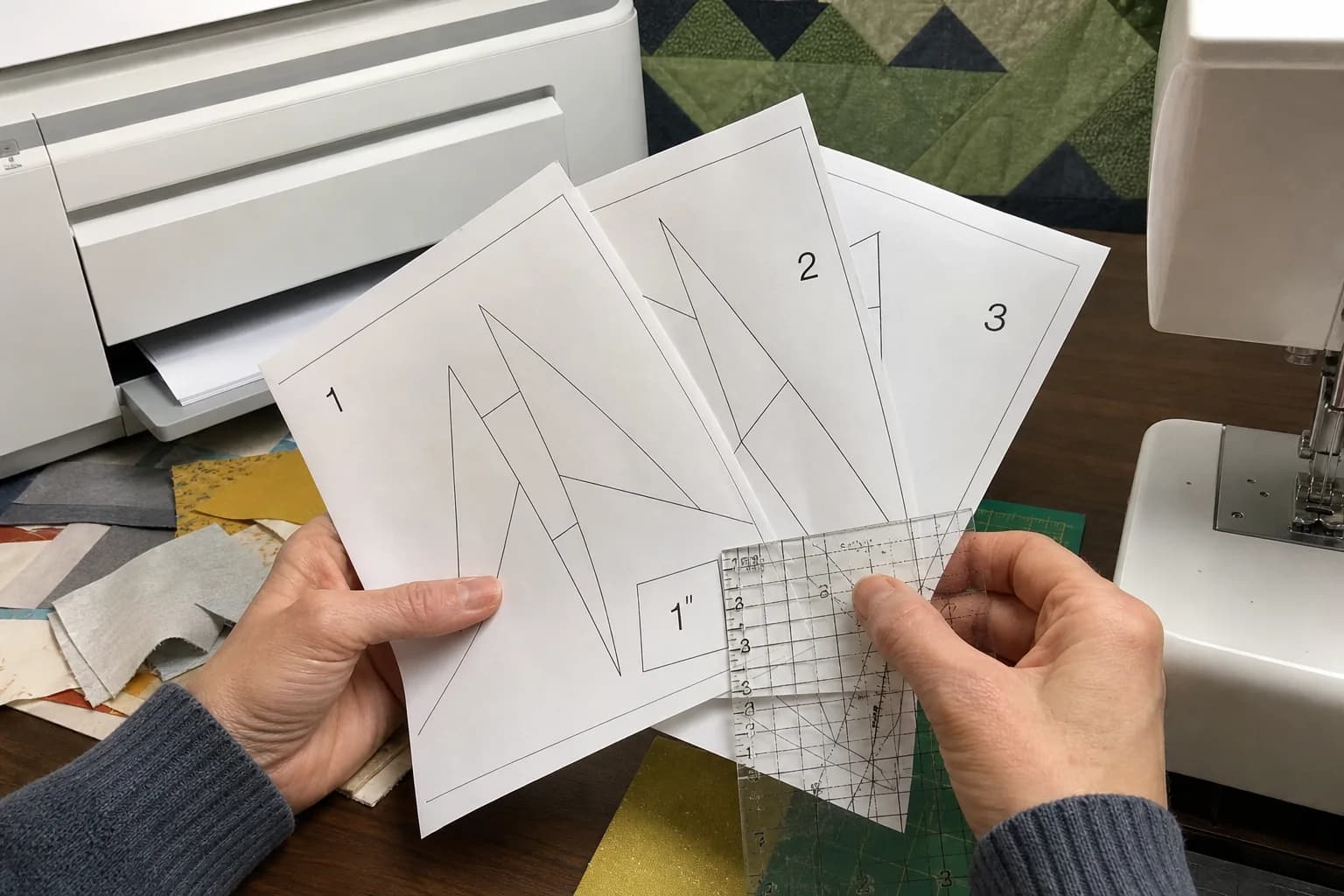 A good place to beginWhat is foundation paper piecing?Understand the method, the order of sewing, and when it is a good fit.Read the guide
 - How to print foundation paper piecing patternsPrint at the right scale and check the test square before fabric is involved.
- How to print a quilt pattern at 100%Use the scale box before cutting templates, then troubleshoot printer settings.
- Foundation paper piecing section numbering explainedRead section and piece numbers as a sewing order, not a puzzle.
- How to trim FPP seam allowancesTrim the section accurately while keeping the paper foundation useful.
- Appliqué vs. foundation paper piecingChoose the construction method that matches the shape and finish you want.
Editable planning
Change the plan without confusing it for a pattern
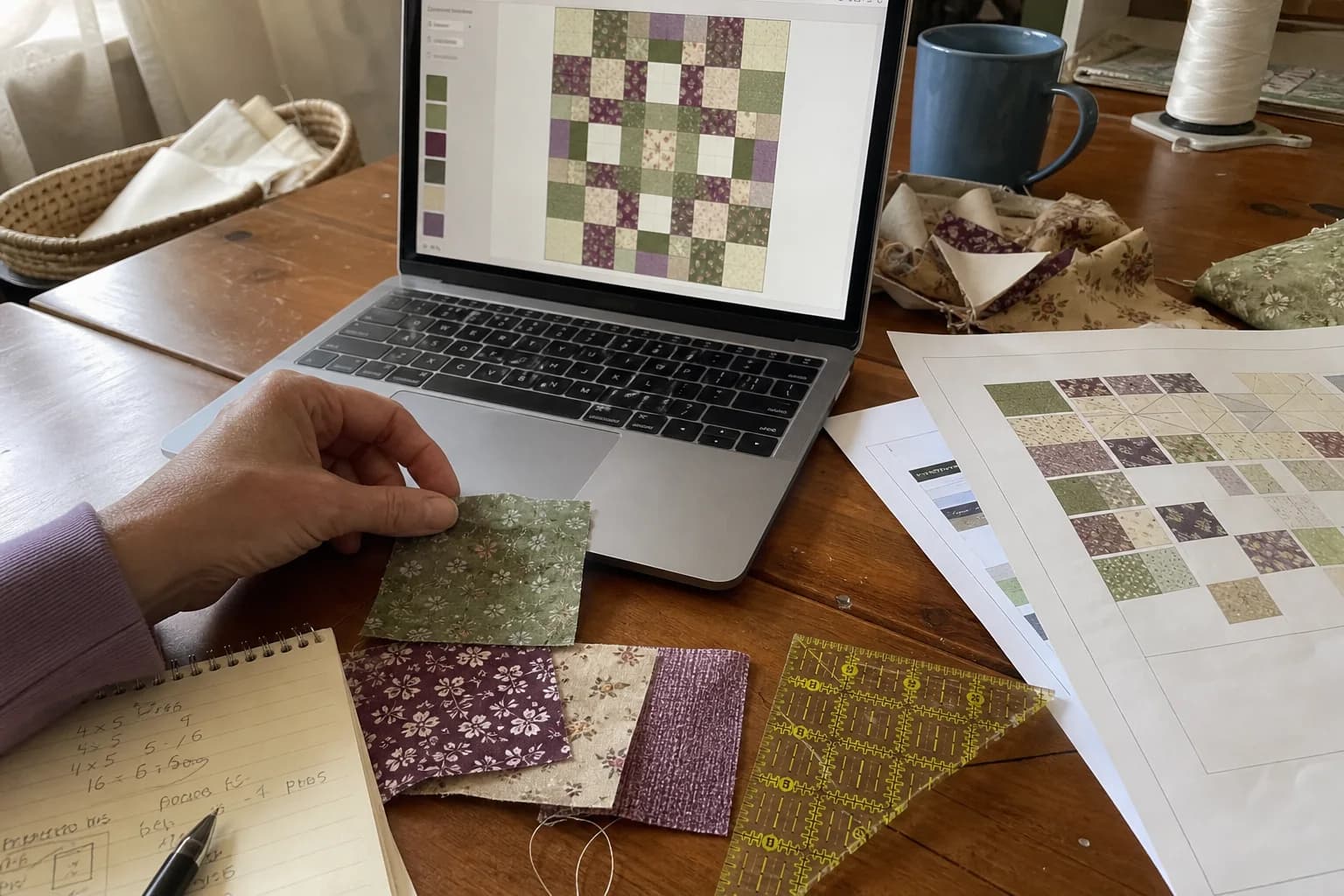
A layout is a helpful planning tool. It is not automatically a cutting-ready construction pattern, and knowing that boundary protects your fabric.
Get the new guides by email
A free quilt-math guide every few days, measured against the 315 patterns we studied. Unsubscribe any time.
You're agreeing to quilt-math emails from Stitchtale. Unsubscribe any time; this is separate from signing in.